













IWC creative director Mark Downie on using AI to recreate the eight attempts on Queen Victoria’s life for 5
Production company: IWC Media (part of Banijay UK)
Commissioner: Federico Ruiz, 5
Length: 1 x 90 minutes
TX: Saturday 31 January 2026, 8.30pm
Executive producer: Pauline Law
Executive producers for Krempelwood: Blair Krempel and Mark Wood
Development producer: Connie Sneddon
Series producer: Graeme Hart
Producer/director: John MacLaverty
Editor: Val Douglas
Director of post-production: Donna Mulvey-Jones
Post-house: Banijay Post
AI producer: Joe Grace
Production executive: Catherine Ross
Production manager: Jodie Dodds
At the finale of a training course, IWC’s development producer Connie Sneddon got a face-to-face pitch with 5’s chief content officer, Ben Frow and commissioning editor Federico Ruiz. On the day they were intrigued by her idea, but it was a single line in the pitch which particularly piqued their curiosity. Connie had mentioned the little-known fact that there were eight separate attempts on Queen Victoria’s life over the course of her 63-year reign.

On her return to Glasgow, Connie researched, wrote up and submitted the idea to Federico Ruiz, who commissioned it at feature-length as one of three Royal history docs from us.
Connie’s idea offered a revelatory new take on the life of this seemingly indestructible woman. Because although Victoria sat on the most powerful throne in the world, she did so at a time when monarchies were falling and regicide was all the rage.
Using analysis from historians, royal experts and a former royal personal protection officer, we sought to uncover the motives behind the multiple murder attempts and to explore how Victoria’s resilience helped shape the image of the modern monarchy.
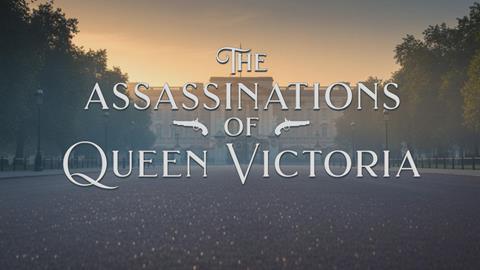
There was extensive source material to draw upon – drawings and paintings of Victoria and all seven assassins (one had two goes), plus detailed factual accounts in newspapers and court records. But how best to bring the assassination attempts themselves to life? Our tight budget and fast turnaround (three months from greenlight to delivery) militated against drama recon or elaborate graphics. Graeme Hart, our series producer, suggested generative AI could be our solution.
Having been impressed by a demo at IBC, Banijay’s director of post-production, Donna Mulvey-Jones, introduced us to a new AI tool. The tool was a single platform incorporating various AI engines, allowing us to test the same prompt across multiple engines to compare results easily. We entered an unlimited credits model which gave us the freedom to experiment properly, which we definitely needed in the early stages as we were discovering what was (and wasn’t) possible. The unexpectedly odd mistakes revealed both the power and the limits of the tech – exquisite skylines of Victorian London replete with TV aerials, horses rendered in such fine detail we could see the sweat on all three of their legs.
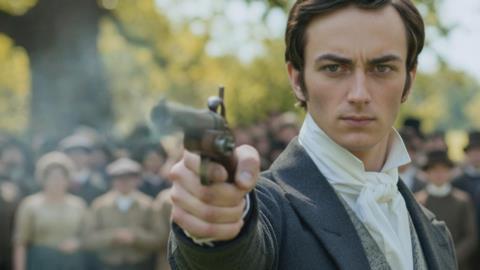
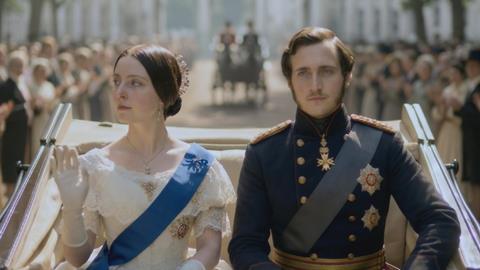
In practical terms, we used the platform to build characters and worlds referencing historical paintings and define a consistent visual style - from how cinematic it looked and how photo-real we wanted it to feel. We would start by generating still images first before developing them into moving shots within a storyboard. The engines refreshed three times a day, and as new capabilities were released, including audio and sound effects, we were able to incorporate as part of the workflow.
Top tips if you’re tight on time, money and learning
- Don’t ask for too much action in a single clip. Break it into smaller shots.
- Don’t be discouraged by inconsistencies and inexplicable AI madness, the skill lies in the work arounds.
- Keep in mind that a photo or painting can still have more impact than an AI clip
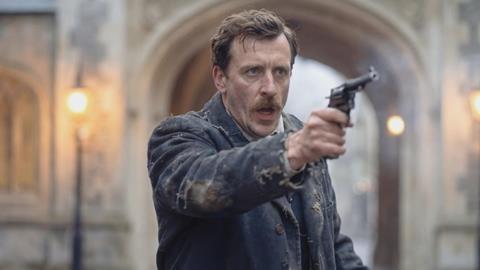
Legal and ethical considerations were at the forefront. The production team focused its archive search on out-of-copyright images and free-to-use historical records to find source material that would enable the AI engine to bring the world of Queen Victoria to life without infringing any third-party rights. We also took the decision not to use any contemporary sources or images of living people as source material for the AI engine. The historical figures depicted in the AI created imagery were based on these out-of-copyright materials including Victorian-era portraits and sketches of Queen Victoria and her court. We believe these decisions allowed us to bring the story to life as accurately and vividly as possible while safeguarding against legal and ethical concerns.
As the son of an actor, my mother would murder me if this was putting actors out of work. But in truth, on a budget this tight, we wouldn’t have been able to afford any. What’s being replaced here isn’t paid employees – its rostrum moves on paintings and documents, which seems desperately dated, given everything now possible.
The feedback from viewers has been incredibly positive. The quality of the sequences is so convincing we’ve had to flag they’re not drama in line with 5’s guidance. The technology is advancing, and the quality of the imagery is improving at an astonishing rate. On the first two, delivered in December, the maximum clip duration AI could do was five seconds. In January, as we deliver the third, it’s doubled to 10 seconds.
There’s still so much for us to explore, but as a 12-week crash course the experience has been revelatory and rewarding. There’s no going back.
Getting the best results from AI
Banijay director of post-production Donna Mulvey-Jones
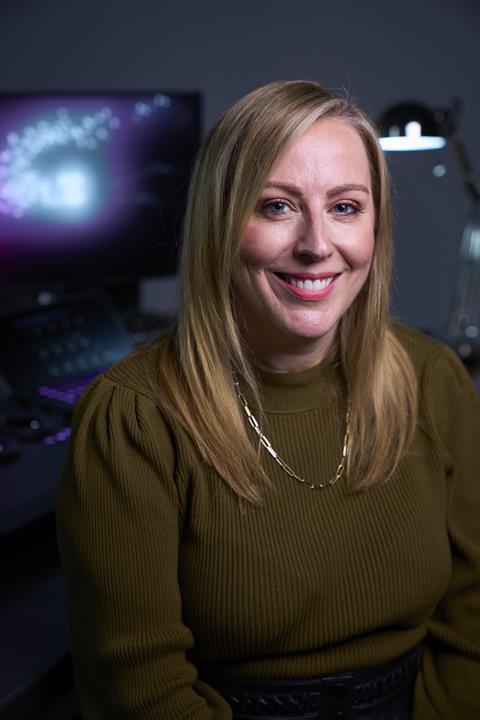
When we began discussions, the initial idea around AI was relatively small – exploring whether it could be used to generate historical backdrops for green screen filming.
As we started exploring possibilities, it quickly became clear how fast the technology is developing – even compared with only a few months earlier. The quality we were now seeing for fully generated content, and more critically the ability for consistency across scenes, was really impressive. It was also far less technically challenging than mixing AI backdrops in a greenscreen shoot. That changed our way of thinking. Instead of working within the constraints of locations, filming days and budgets, we could let the story lead and create fully generative visuals around it. It helped that we were very prepared to work around the possibilities and limitations of AI – for example, avoiding having characters speak, or avoiding violence in the recreation.
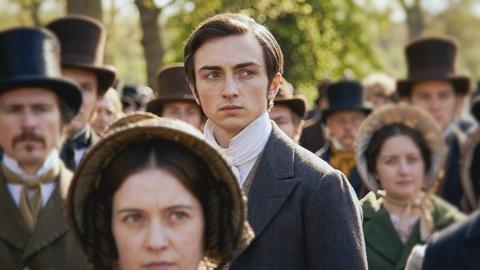
It became clear early on that while the technology was impressive, getting consistent results wasn’t straightforward. On its own, AI didn’t always behave, and we also needed characters to stay on model and environments to match and scenes to feel cohesive. That’s when we brought in Joe Grace as a dedicated AI producer. His understanding of how to prompt the engines, manage iteration and steer the process made all the difference, particularly within our timeframe. In just two months, we created more than 300 shots across the series running in parallel to the edit.
From a post perspective, we approached the workflow much like a familiar VFX pipeline. The AI material didn’t arrive at the same bitrate and colour range as traditionally shot drama reconstruction, meaning there was less detail and colour information to push in the grade. However, we leaned into it creatively, giving the AI sequences a more distinctive softer, film-like look that helped them sit comfortably alongside archive and filmed material. While image quality, clip duration and frame-rate control will continue to improve, even at this stage generative AI has given us a powerful new way to visualize history when traditional filming isn’t an option.






No comments yet