


Reality formats are in hot demand internationally as industry perceptions shift and streamers step up their commissioning in the genre. Ellie Kahn explores how decades of experience and groundbreaking work are helping British producers lead the way
As Britain sweltered through a long summer heatwave, the UK reality industry was experiencing a hot spell of its own as a string of high-profile global reality commissions were announced in steady succession with one thing in common: British producers were at the helm.
Netflix was behind several of the orders, including Mettlemouse’s Playing With Matches, a format built around undercover couples trying to conceal their relationships. It also greenlit Workerbee and Initial’s streamer-led title Netflix, Will You Marry Me? (a dating experiment shaped by global viewers’ votes) and Studio Lambert’s reality competition Monopoly, based on the classic board game.
Meanwhile, Apple TV+ handed out an order to Boldprint Studios for The Last Person On Earth, a compatibility experiment fronted by American relationship expert Esther Perel, and Peacock greenlit an ITV America remake of British staple I’m A Celebrity – the third attempt at a remake of that show in the US.

But America isn’t the only territory fishing in the UK pond: Norway’s public broadcaster NRK recently ordered high seas-based competition format The Yacht, developed in the UK by BBC Studios (BBCS) and its former label Rebel Rebel.
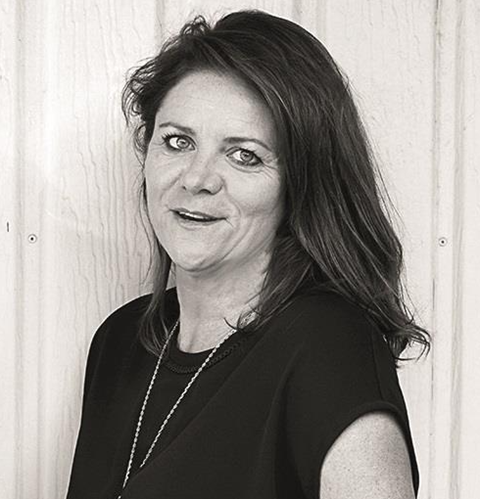
Ask reality producers why this shift is happening now and the answers vary. Sarah Tyekiff, founder and chief executive of BBCS-backed Mettlemouse, suggests there has been a gearshift in how the wider industry perceives the reality genre. “Proud” UK reality producers have excelled at their craft and built dedicated followings for decades, she says, but commissioners may only just be coming around to “taking it seriously”.
She explains: “For a long time, reality sat slightly apart from the rest of the television landscape and traditional definitions of factual, documentary and light entertainment. It was sometimes seen as a little too honest, or a little too raw.
“Perhaps the more interesting question is whether the mainstream has finally become more comfortable in accepting it as a key genre. Perhaps that’s because the word itself feels a bit more contemporary, a bit more accessible, or even a little more exciting for an industry trying to attract younger audiences.”
An expanding genre
Natalka Znak, chief executive of Banijay UK labels Remarkable Entertainment and Initial – and a veteran of reality shows on both sides of the Atlantic – also sees a change: “Reality used to sit in a category of its own, but now reality is entertainment. It is getting bigger and taking up more space, finding its way into other genres like comedy, sports and live events.”
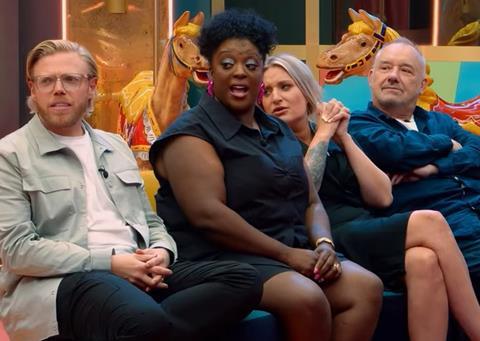
She points to LOL: Last One Laughing, co-produced by her own label Initial alongside Zeppotron, the comedy specialist behind Would I Lie To You? and 8 Out of 10 Cats Does Countdown.
“What makes the show interesting is the coming together of traditional comedy and traditional reality, and those two skills creating a new thing entirely – a sort of comedic reality.”
Znak says reality’s push into sport and live events – something she will do with the upcoming dating show Netflix, Will You Marry Me? – is particularly exciting. She points to Netflix’s recent “spectacle” Skyscraper Live, in which free climber Alex Honnold scaled the Taiwan skyscraper Taipei 101 with a 10-second broadcast delay, as being in the realitymeets- live-sport genre.
“The UK has always genuinely loved reality TV, so we’re very good at making it”
Sarah Tyekiff, Mettlemouse
Tyekiff, who is in the casting stage of undercover dating format Playing With Matches, also suggests the long-standing British love affair with groundbreaking and genre-defining shows like Big Brother, Love Island, Made In Chelsea and The Only Way Is Essex is now helping producers deliver another wave of hits.
“The UK has always genuinely loved reality TV, so we’re very good at making it,” she says. “Despite the apparent spontaneity, it takes an enormous amount of planning, preparation and hard work so that we go into production understanding all the storyline possibilities. Often, it’s a simple topline with a much more subtly layered format underneath. The idea needs to be immediately understandable, but once you’re in, there needs to be enough complexity, character and jeopardy to keep you watching.”
She suggests that this approach matters more at a time when commissioners are tightening their purse strings and have less risk appetite. “The shows that do get through the door have to work much harder.”
BBCS executive vice-president of global creative network and formats Sumi Connock says the genre is also being propelled by streamers because, when done well, it delivers what they crave: returning, engaged viewers. “Reality is story-driven and shows are going to pull you through to the next episode, which is why it works so well for them,” she adds, pointing out that broadcasters are looking for the same appeal on their streaming platforms.
“I feel US commissioners have a confidence that British indies are best in class and can carry the biggest shows in the world”
David Clews, Twofour
Twofour chief creative officer David Clews is cautiously optimistic that UK indies are winning more international business – although, he warns, there are still not that many big reality shows to go around amid a tough economic landscape for buyers.
“We go after everything,” he says. “I feel US commissioners have a particular confidence that British indies are best in class, and that we can comfortably carry the biggest shows in the world.”
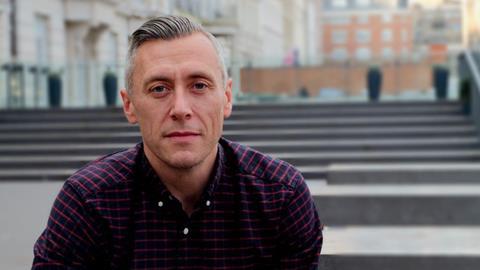
He suggests that key to this is the fact that international streamers have commissioners in the UK who have long-standing relationships with indies, and that plenty of Brits are based internationally. “Winning business ultimately comes down to trusting that the company has the credentials and experience to pull off these shows,” he adds.
Tonal differences
As the executive producer of the US and UK versions of Destination X for BBC1 and NBC, Clews believes the differences between American and British shows are becoming more nuanced. When making the two different versions of the show, he says, his team is acutely aware of the stylistic preferences of the different audiences: they might ramp up the stakes and the stingers in the US version, or steady the pacing slightly when it comes to the Brits.
“There is definitely a tonal difference,” he says. “But US streamers are partly coming to British indies because they know how to bring emotional intelligence, heart and humour. These are big universal themes that cut across both markets. And as UK indies make more shows for both, these sensibilities will only grow even closer together.”
He also points to his Apple TV+ travelogue format The Reluctant Traveller, which is fronted by Canadian actor Eugene Levy but plays off a British comic archetype: reluctant participant ends up quietly delighted. “Eugene hated travelling but was able to find joy in it despite himself,” says Clews.

Daniel Brookes, co-founder and creative director of Sony Pictures Television label Rebel Minds Media (and former co-chief of The Yacht creator Rebel Rebel), says the shift to streaming has made global audiences “much more open to British tone and sensibilities”.
“Successes have led to a greater appetite,” he says. “UK producers have a strong track record of creating formats that are easy to understand and capable of travelling. The unifying thing every buyer wants is a new brand that can build a loyal audience – a distinctive format that stands out from their existing shows and those of their competitors.”
For this reason, Brookes says he is laser focused on delivering pitches that “bring to life” the creative idea. “We are applying more consideration and resource into this area than has traditionally been done.”
He also suggests that regular dialogue between UK creatives and their international buyers has become much more of a “two-way street”.
“While creating an ambitious new reality format like The Yacht with Simon [Shalgosky] may have helped, even the shows that we don’t sell can build momentum and strengthen relationships with buyers, building trust in our ability to consistently deliver to a high level, and maintain an open dialogue.”
He suggests that as buyers refocus on the new possibilities that the reality genre can offer, producers may no longer need to “over-intellectualise an idea to make it feel ‘more fact ent’”. In other words, reality can now speak for itself.
International buyers
Znak agrees that conversations with overseas buyers are more commonplace, and puts it down to plain old technology. “Since lockdown, everyone has become used to pitching on Zoom, and it is so much easier to have those conversations all the time. You don’t have to fly to another country on a pitching trip,” she says.
“It goes both ways – as producers, we are constantly talking to buyers, and buyers are actively looking for shows that make an impact for them at the right price. Reality is working for a lot of buyers, and because the UK market is closing in so much, UK producers are desperate to pitch everywhere.”
But Znak cautions against putting British creativity on a pedestal, suggesting “we may need to get over ourselves” if a best-in-world mindset develops. “Yes, we have a quirky sense of humour and are great at championing authenticity in our reality shows, but America brings real scale,” she says. “One of the most important things I have learned is how to combine the best bits of making reality in the UK with that American scale.”
Pointing to Japan and Korea, she continues: “There are lots of brilliant producers creating great shows everywhere. It is always interesting to look at a totally different culture to your own and think about what you might bring to those formats.”
“We love a show that gives people something to talk about the next day. The best reality television doesn’t just give you something to watch - it gives you something to discuss”
Sarah Tyekiff
Tyekiff suggests that reality’s ultimate appeal lies its in ability to connect people. “We love a conversation. We love gossip. We love a show that gives people something to talk about the next day. The best reality television doesn’t just give you something to watch - it gives you something to discuss.”
She also suggests that “the fundamentals” haven’t changed that much. “When you look at who is landing those coveted slots, you’re reminded of the strength and quality of the UK’s production teams.
“The UK still excels at reality – but that is not necessarily because we’re making more of it. It is because we’ve been making it for a long time and the industry has perhaps finally stopped apologising for what it has always been very good at.”






No comments yet