

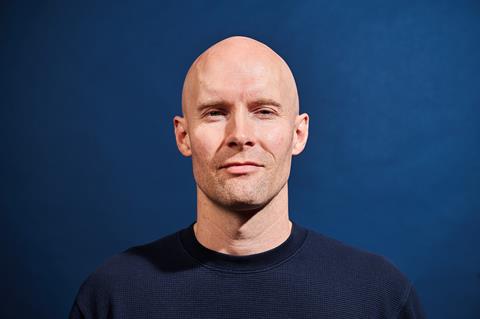
Ben Goldhagen, director of sport at Coolr, looks at how brands and broadcasters need to use social platforms during the World Cup
48 teams. 104 matches. Three host nations. With just over two months until the opening game of the 2026 World Cup, it’s hard not to be struck by the scale of this year’s tournament.
But this scale comes at a cost, and it doesn’t come for free. Attendance at eight matches, one per round, will set a person back at least £5,225 - compared to £1,466 at Qatar 2022.
Ordinarily, this would push fans towards traditional broadcast coverage. I feel that this year, it is poised to look different. Late kick-off times - England’s group game against Panama won’t finish until midnight - mean brands and broadcasters must look beyond live coverage to secure and maintain attention.
For those looking for a strategic play, the answer is obvious: social platforms and creators.
Social is always-on, connecting fans at home and in the stadium. It’s where they engage with each other, creators and brands, and where they spend hours around each match, far beyond the 90 minutes of live play.
Can broadcasters learn new tactics?
For broadcasters, the traditional playbook was polished live coverage and highlights packages sprinkled with a stellar line up of legendary ex-pros providing the commentary, aiming to satisfy viewers and advertisers.
While that proved sufficient when broadcast was the star player, now the situation is markedly different - as the sheer choice of media platforms is causing eyeballs to wander. Attention isn’t guaranteed during the live event, with 60% of sports fans using a second screen during matches.
It’s no wonder that FIFA has struck agreements with TikTok and YouTube. Enabling media rights holders to stream the opening 10 minutes of matches on social channels. For the first time, it provides creators access to behind-the-scenes content and FIFA’s prized Digital Archive.
This feels like a radical shift. In reality, it’s an inevitable one and the signs have increasingly been there since Qatar. I have been on the ground at the past six World Cups including in Qatar with YouTube, and for me that felt like the first tournament that was truly “social-first”.
This shift demonstrates that social has moved from a supporting role to a central channel, shaping the moments between the moments.
The implications are being felt at league level. The German Bundesliga, rather than defaulting to traditional media partners, elected to partner with YouTubers Mark Goldbridge and The Overlap. That’s because it acknowledged that creators are collaborators, not competitors - with the ability to reach audiences that conventional formats struggle to.
This trend will only be accelerated by the World Cup. More games. More content opportunities. More channels.
Finding the back of the net
So, what does a World Cup-winning strategy actually look like?
Brands and broadcasters must move faster, build social-first ecosystems and treat creators as priority partners. Delivering that requires a tactical shift.
The usual formula or pre-planned posts and post-match recaps can’t be the be all and end all. Brands need to operate in real-time, anticipating and reacting to moments. Leading with credible but engaging personalities, understanding what’s trending, what the algorithm is serving up and reacting accordingly.
Look at the slew of memes that emerged in the wake of Yusuf Dikec’s unique shooting style at the Paris Olympics. Agility, not production value, was the differentiator.
Creator partnerships aren’t new, but how they’re used has evolved. Starting with selection. Are you partnering with someone that feels like a natural extension of your brand, in personality and profile? Do they help your brand to show up in new ways?
Creators shouldn’t be brought in at the end of a campaign. From creative, to formats and platform selection to posting strategy, they understand how content performs across social channels.
Once upon a time, the winning formula meant a badging exercise across as many assets as possible - pitchside hoardings, team merchandise, video content - and letting scale do the rest. Today, that approach is outdated. Social is fragmented, fast-moving and algorithm-driven. Visibility alone doesn’t guarantee impact.
This approach isn’t reserved for official rights holders. Some of the most effective activations come from brands operating outside the sponsorship ecosystem. Opta Analyst’s collaboration with F0ur Br0thers during the UEFA Euro 2024 is a prime example.
By partnering with a group of creators that were adjacent to the sport rather than football purists, the brand tapped into an already engaged audience while ensuring the content felt native to the creators’ style. This extended reach beyond brand-owned channels, and into the communities where their fans already were.
Leave it all out on the pitch
This year’s World Cup marks the start of a new era. Arguably the first tournament to be truly defined as “social-first”. Has the traditional broadcaster monopoly come to an end? Is social the new de facto superpower in a brand’s marketing mix and do creators hold more power than ever before?
Broadcasters and brands dreaming of lifting the trophy when the final whistle blows can’t settle for showing up. They need to identify how their fans are experiencing the tournament - and build for them, with them and not at them.
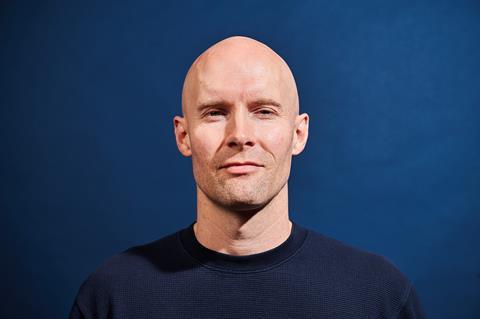
Ben Goldhagen is director of sport at Coolr



No comments yet