Edinburgh TV Festival preview: industry execs mull themes and share expectations for sector’s biggest annual gathering 

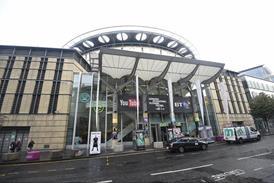
As the industry prepares to converge once again on Scotland’s capital for the Edinburgh TV Festival, Broadcast asked a range of producers and execs what they make of this year’s line-up, and what they expect to the event’s hot topics. 

Tina Fey headshot by Miller Mobley (1)

Source: Miller Mobley

Tina Fey

Funding opportunities and the bullying crisis are key concerns – and while this year’s programme includes the undeniable star power of Tina Fey and Shonda Rhimes, some suggest it offers little for those struggling in tricky economic times.  

Funding shows 

Zinc Media chief exec Mark Browning says this year’s festival agenda does well to tackle the question of how to get investment back into the sector and turn it back towards growth.  

“We’re going to be talking about and listening out for discussion of ‘how is it actually going this year?’” he says. “[The industry is] anticipating a return of the good times – but when are we going to start seeing that? 

Mark Browning - Zinc

Mark Browning

“There is an opportunity for big, radical, structural positive change in TV. When a sector goes through a period of stagnation or decline, the winners are those who think about radical change and adapt to it.” 

Livewire Pictures’ managing director Guy Freeman is among those most interested in discussion of funding challenges, and says there’s been too much focus on how the issue affects high-end scripted shows.  

“I would argue unscripted programming has faced a longer and deeper period of reduction. Therefore, I’d welcome any debate on ensuring a healthy domestic industry in future – for all genres,” he says.   

Factual director Erica Gornall is keen to discuss co-funding opportunities and is hoping the Unscripted: What’s the Big Deal? session will explore new approaches to financing shows. 

“These deals often get made without me in the room… so I’d like to understand that world more to make the best films possible and in a way all parties are pleased with,” she says. 

Practical solutions to toxic behaviour

Following the MasterChef scandal, many are keen to discuss bullying and harassment. 

Gornall hopes for high attendance at the mental health-focused session entitled The Show Must Go On, But Not at Any Cost, and that it will champion compulsory anti-bullying and healthy communication training for everyone - right up to commissioner level. 

“I want to see leaders and the whole fragmented industry engage and commit to solid practical steps like these to create more emotional stability for those in our industry,” she adds.   

On a related note, Andrew Roach, managing director at DEIversity Talent Management, is pleased by the number of DEI-related sessions on the schedule. Such issues are more important than ever following “continued and worrying” anti-woke rhetoric led by the US, and the risk of UK companies cutting their DEI policies in response, he says. 

He is particularly looking forward to the Not Another Diversity Session panel, saying: “I hope there is engaged and strong attendance with people prepared to feel uncomfortable, listen and take affirmative action.” 

One anonymous exec suggests the festival overlooks the issue of antisemitism, saying: “Jews in our industry are struggling to be ‘their authentic selves’ as we are so often told we should be, for fear of being cancelled, and struggling with overt anti-Jewish racism. 

“Unfortunately, Edinburgh’s decision to pretend it’s not there isn’t going to make it go away. It just reminds those of us who are Jews that we don’t count.” 

The BBC is likely to be much talked about, Gold Wala founder Faraz Osman says, given the litany of issues it’s facing.  

“Licence fee nonpayment is hitting a critical level, trust on the Israel/ Gaza issue is at rock bottom on both sides, talent keeps bringing the organisation into disrepute and young audiences are hardly aware of the corporation, let alone buying tellies for live TV and paying licence fees,” he says.  

“It feels like a very serious reckoning around the corner and no one is coming up with big ideas to fix it.” 

Criticism from smaller indies 

Producers from smaller and regional indies raise concerns that Edinburgh has lost touch with the challenges they face.  

Founder of Newcastle-based Twenty Six 03 Duncan Gray says the agenda is “heavy on anachronistic TV issues” and “light on sessions which small indies pivoting to branded, digital and audio would find helpful”. 

Danny Fenton

Danny Fenton

Part of the problem, he says, is scheduling - sessions including The How (and How Not To) Work With Brands and How TikTok is Reinventing TV Fandom are vital for small indies, but clash with big panels offering useful buyer information. 

“Edinburgh’s fundamental problem is it forces you to make a choice to be ‘TV only’ or ‘not TV’,” he says. “That choice is anachronistic because, if you want to succeed as a small indie, you live in a ‘TV plus’ world.” 

Jane Atkinson, co-founder of new indie support agency Media MDs agrees: “Separating digital strategy and TV strategy just isn’t a possibility anymore, you need to bring them together.” 

Danny Fenton, chief executive at Zig Zag Productions calls the agenda “completely tone deaf” and designed for the “privileged few”.  

“There are a lot of ‘jazz hand sessions’ - big talent talking about successful scripted shows. Although I’d be fascinated, it doesn’t help me from a business point of view,” he adds.  

Similarly, Afanti Media Group chief executive Emyr Afan calls the festival a “corporate gig” for super-indies and broadcasters.  

“There have been some initiatives for freelancers and smaller indies but it’s not as user friendly as it should be for them and doesn’t particularly help with funding opportunities.” 

Atkinson argues the festival must evolve with the industry, adding that change won’t come from “the higher echelons of TV talking at people”, but from two-way discussions about indies’ experiences. 

“We can’t change Edinburgh in one go,” she says. “But we can think about how to make sessions much more accessible and inclusive to everybody so that they feel they’re contributing.”