









Andrew Willsmore edited acclaimed and iconic docs
Factual specialists have paid tribute to editor Andrew Willsmore, who has died aged 74 after a long illness.
Willsmore’s lengthy career included credits such as the BBC’s acclaimed 14 Days in May and The Duty Men (both from 1987), for which he won a Bafta Craft award for his editing work.
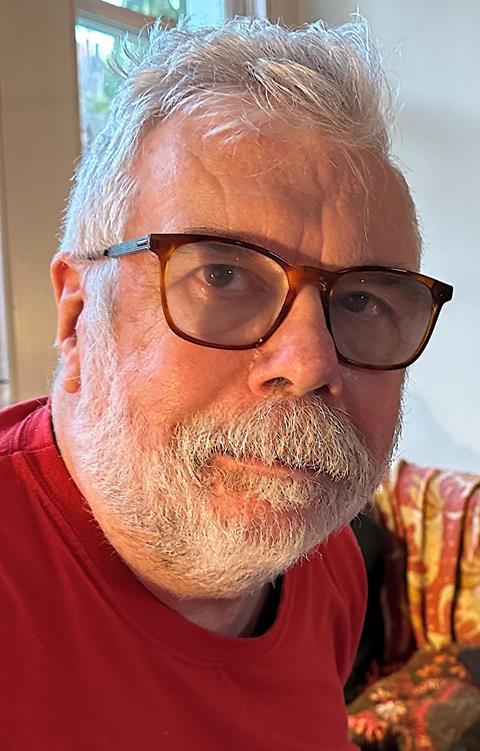
Alongside that he worked extensively across strands such as Inside Story, 40 Minutes and Dispatches and on more popular fare, such as Chris Terrill’s The Cruise, which attracted vast ratings and kickstarted the career of Jane McDonald.
A raft of well-known figures from the docs community praised his work and his qualities as a colleague.
Anthropologist and filmmaker Terrill made more than 40 films with Willsmore, including Beloved Country, which was a six-part series cut on location in South Africa. Terrill described Willsmore as “a great editor but an even greater friend to those he worked with”.
He continued: “I say ‘work’ but it never felt like it. It was always fun in his cutting room and, blessed with a Pythonesque attitude to life, he lightened even the heaviest and most serious of film projects.
“Andy had the ability to put stories into perspective and he would always look for the light in the shade. But he was also driven by a strong and unshakeable sense of social justice. He seemed to have a secret source of gold dust which he sprinkled over any of his edits.”
Willsmore edited executive producer Neil Grant’s very first 60-minute, 16mm doc, and the latter described him as “a delight, a talent, a legend”.
Grant added: “His credits and body of work are extraordinary. He was a double Bafta winner and, dare I say, Spurs supporter, and he will be remembered fondly and deeply. “
Veteran documentary producer Richard Denton said Willsmore was “a wonderful friend whom we will all miss”.
“We lost a legend this morning. Andy Willsmore was a film editor in what - looking back - seems like a ’golden age” of British TV documentaries… I would not have had the career I have had without him - and I loved him.”
Documentary film-maker and commissioner Olivia Lichtenstein said Willsmore’s skillset was particularly suited to “the kind of observational and access-driven documentary that many of us were making at the time”.
“He became the editor of choice for so many of us. He had a rare instinct for people and behaviour and an almost uncanny ability to recognise the moment that would unlock a film.
She expanded: “He could take an enormous amount of material and discover its emotional and dramatic architecture without ever imposing himself upon it. He understood when a scene needed to breathe, when silence said more than words, and when a seemingly insignificant moment contained the heart and truth of a story.”
Lichtenstein also suggested that Willsmore’s career “represents something important about the history of British documentary”.
She continued: “Editors of his generation were central to the extraordinary flowering of factual television from the 1980s onwards, yet their contribution was often almost completely invisible to audiences. Andrew helped shape a remarkable number of films and series, and his editorial intelligence was woven into the work of some of the most important documentary filmmakers of the period.”



No comments yet