













Ahead of International Women’s Day, Bronagh Monahan warns the wealth of talented women in the digital space mustn’t be overlooked
Spend any time pitching creators and a pattern starts to emerge. The reference points in meetings are often the same, the case studies cited when discussing “creator-led formats” are often the same and the talent who get cast feel strikingly familiar. They are all men.
Look closer still and another pattern emerges. Many of the companies producing this new wave of creator-led entertainment are also founded, funded and run by men. When the creators, producers and reference points are drawn from the same networks, it’s unsurprising that the formats and casting decisions often follow suit. This isn’t a criticism of those creators or companies; the UK has produced some of the most successful digital entertainment in the world and much of it deserves the attention it receives. But it does raise a question: if the industry prides itself on discovering new voices, why do the same ones keep getting commissioned?
Many of the most ‘successful’ creator formats lean into the same energy: group dynamics, competitive challenges, prank culture and big personalities. It’s entertaining and it works, but it also reflects the perspectives of the creators who built those formats in the first place and inevitably limits the range of voices and stories that get developed next. When you begin to look deeper into digital culture, however, it’s not that there aren’t a huge number of female-centric stories, they’re just not being told.
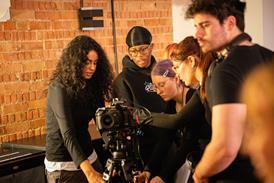
It’s not all bad news though. Nella Rose recently launched ‘Case Closed’, a format she produced and financed herself and released directly on YouTube. The series producer is 25 year old Mah Hawa Kamara and it was exec produced by Milly Bell. The first season clocked up millions of views, entirely organically. Where many digital formats arrive with paid media pushes often followed by enthusiastic LinkedIn posts celebrating the numbers, there was something refreshingly ego-less about the way Case Closed launched.
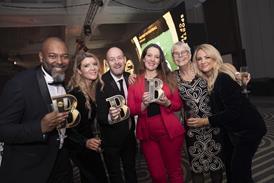
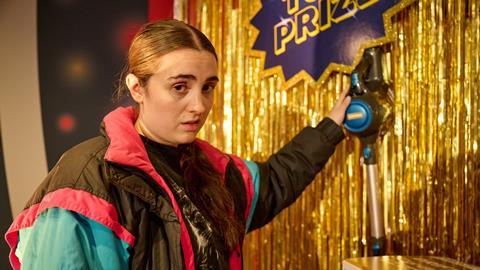
Lucia Keskin won a BAFTA for her BBC comedy ‘Things You Should Have Done’ grown out of characters she first developed online. I first worked with Lucia during my time at BBC Studios, where the development process centred around writers’ rooms, bringing together creators, writers and producers to build ideas collaboratively. It’s a well-known model in scripted television, but one digital production still doesn’t embrace often enough.
And of course there’s the women behind the camera. Producers like Liv West of Chicken Shop Date and Jorja McAndrew of Saving Grace; exec’s like Lucy Smith of Fawkes Digital; commissioners like Evie Buckley, Laura Marks and Amie Parker Williams. At MonRae, Elspeth and I are focused on building more of that development infrastructure around creators, investing in writers’ rooms to collaborative format development, guiding our creators’ content in the same way a commissioner might work with a showrunner.
A large challenge still to overcome, is how often decisions are justified by data. Historic views, subscribers and reach are treated as the safest indicators of future success. But when those numbers come from algorithms that are proven to be biased, relying on them too heavily risks reinforcing the same imbalance indefinitely. Data can tell us what has already worked; it’s far less useful at shaping a meaningful culture. Which is where the responsibility sits with us. If we want a more balanced and interesting entertainment industry, it won’t happen by accident. It means actively developing more female creators, hiring more female talent and investing earlier in women who want to build formats, write shows and lead productions.
The UK has no shortage of talented women shaping internet culture. What’s required now is a little more intentionality from the companies building around them.
- Bronagh Monahan is co-founder of talent management and production company MonRae


![YLYL_KV_JP19 (c)Nippon TV[13]](https://d11p0alxbet5ud.cloudfront.net/Pictures/100x67/2/5/5/1473255_ylyl_kv_jp19cnippontv13_817911.jpg)



No comments yet