








BBC content chief talks knowing audiences, partnerships in tough financial times and leaning into vertical content
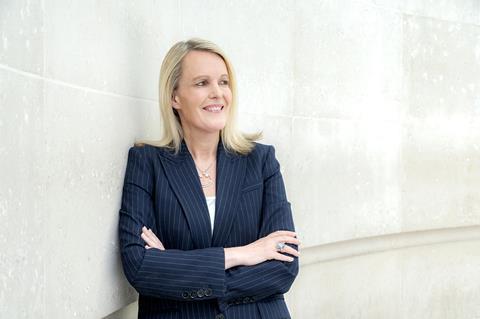
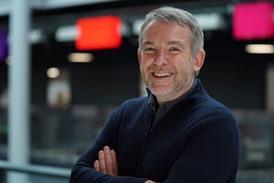
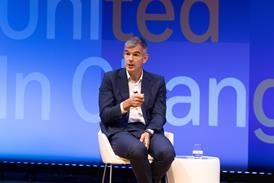
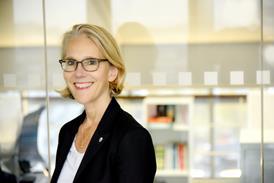
Making greenlight decisions based on algorithms renders commissioners “creative carcasses”, BBC content supremo Kate Phillips has claimed.
The corporation’s increasing presence on third-party digital platforms like YouTube remains driven by what audiences want, and that to pursue data-driven projects is creatively redundant, the chief content officer said.
Appearing on a dedicated BBC Studios keynote panel at Mipcom today, Phillips said that with all the research in the world, a commission is still ultimately “a punt” by both the BBC and indies, so human expertise is paramount.
“We are moving onto other platforms and someone asked me recently: ‘would you commission based on algorithms?’ I would like to say very clearly: absolutely not,” she told delegates.
“Just because the distribution mechanism is changing, doesn’t mean that our creative goals have changed. YouTube is not a commissioner, it’s a platform. If you commission based on algorithms, you’re literally a creative carcass. You’ve got to look at the audience needs. I really believe it strongly.”
Phillips also advised producers to look at the economy, as its health is intrinsically linked to the type of content viewers want: when times are tough, people seek feel-good TV, when times are good they are more open to combative formats.
“When you’re creating formats, don’t look at algorithms, look at the audience, look at what people want, look at the economy and don’t think of it as a brand straightaway,” she said.
Acknowledging the BBC’s own tightened purse strings, Phillips said fostering partnerships with other broadcasters is important in a turbulent financial landscape in which the BBC is looking to make £500m savings.
“I think [the market] feels more optimistic to me than it has for a while – people are investing in content,” she said.
“We’re making savings at the BBC…We are in tougher times financially, so then we lean on more partnerships, or other broadcasters, to help us get these shows to air. I don’t want less money to make us more risk-averse or stop our ambitions.”
BBC chiefs on content and tech trends
The content boss also revealed she is looking to tap into the trend of vertical dramas, as she is keen to make more content for viewing on mobile devices.
“I want more content that people are watching on their phones, definitely vertical. I wouldn’t dismiss microdramas as a flash in the pan, they’re really interesting.”
Following a trailer for Blue Planet III, Phillips and her co-panellists were asked whether they were worried audiences might think the colourfal, fantastical scenes were created by AI.
Zai Bennett, chief executive and chief creative officer of global content at BBC Studios, said real-life action is “implicit” in natural history filmmaking.
“We do that through our brand, also it’s all entirely implicit in natural history filmmaking, is that we filmed real life. But there are partners we talked to around the world who sometimes go ‘oh, can you put not AI in the pre-titles?’
“And markets might require different levels of explanation, but the trust [in the BBC brand] is the reason that I think we’re less worried about that.”
Phillips added: “AI is part of TV production now…for the BBC, we have to be absolutely transparent when we’ve used it.
“But it’s more a research tool, an edit tool. We would never use AI on something like that [programme] because you’re lying to the audience, and we can never do that.”





No comments yet