










As the commissioning slowdown hits queer programming, the need to back ideas outside the mainstream is greater than ever
Queer television has changed beyond recognition within my lifetime. You only have to turn on the TV today.
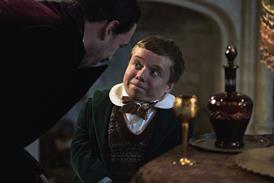
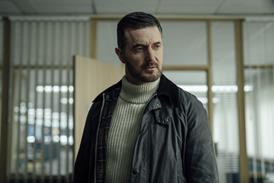
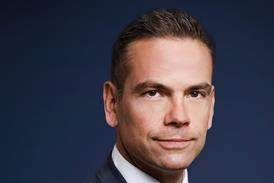
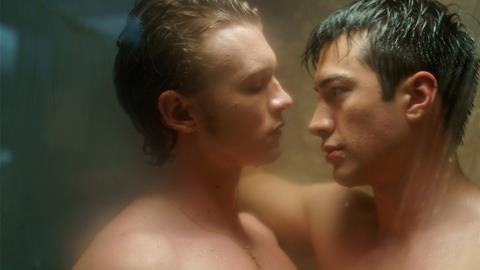
Drag Race is an unstoppable franchise that will devour us all. EastEnders recently featured Oscar Branning grappling a bisexual love triangle with Jasmine and her twin brother Josh. And then there’s Heated Rivalry (pictured top), a Canadian love story that became a global hit that many of us illegally streamed between Christmas and New Year (watched after any older relatives in your household had gone off to bed).
Compare this with 2003, when Coronation Street aired its first gay kiss between Todd Grimshaw and Nick Tilsley. It received plaudits and was watched by 14 million viewers.
Yet it was accompanied by a national media debate about whether the show should have aired it, particularly when kids may have been watching. With headlines like ‘Night of Shame’ appearing the following day in the tabloids, it made me feel that my life was debatable and somehow controversial. It contributed to me ducking out of showing any affection with another guy in public well into my twenties.
My forthcoming book Out Now looks at how queer British TV moments (and the surrounding media coverage) can shape a life. Although more bisexual, asexual and lesbian representation is needed, on television it has felt for a while that we’re in a good place. Yet, in recent months, there has been a shock to the system.
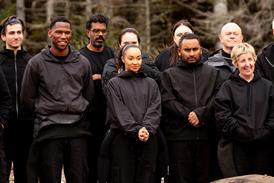
BBC3s I Kissed A Boy and I Kissed A Girl, the UK’s first same-sex dating show (yes, in 2023!) was axed despite acclaim. The youth-aimed queer teen series Heartstopper has been wound up with a movie. Things are no better in the US. Boots, a drama based on the Greg Cope White memoir, was cancelled after one series despite positive reviews from the press and public.
“For queer audiences, queer shows validate your experiences as being normal in a world where society often treats you differently”
GLAAD, a charity that tracks the number of LGBTQ+ characters in US TV, has said that while the overall number of queer characters on television increased last year, more than 40% won’t be returning because of a series cancellation or their character’s storyline coming to an end.
The current commissioning slowdown has a lot to do with this. The cancellation of I Kissed A… was due to the BBC’s ongoing funding challenges. Streamers are also more ruthless with what shows they decide to renew. A fear is that as a result of the slowdown, shows aimed at minority audiences can end up being sidelined by commissioners in favour of ‘safer’ mainstream choices.
It is not just queer content experiencing such a setback. The latest Diamond Diversity Report says that representation of Black, Asian and minority ethnic people, both in front of and behind the camera, has stalled or reversed.
For queer audiences, queer shows are not just something nice to watch at the end of the day. They validate your experiences as being normal in a world where society often treats you differently. Time and again television has proved itself to be an empathy machine.
Thirty years ago, a well-written character helped challenge negative perceptions of gay and lesbian people during constant press hostility. Now, as the same hatred has moved to the trans community, I can’t help but wonder whether a well-written, nuanced and thoughtful trans character (or an opportunity given to a trans writer to write whatever they want) could end up doing the same.
All of this positive change comes down to a television commissioner in an office somewhere consciously deciding to not back the same ideas, but rather being a little bit braver, commissioning something out of the mainstream. The groundbreaking shows aired on television over the years have been by someone actively doing this, and the impact it has had on society has been truly extraordinary. I hope any commissioners reading this at Edinburgh know that.
- Scott Bryan is a media journalist, presenter, entertainment critic and author of Out Now, released on 3 September






No comments yet