



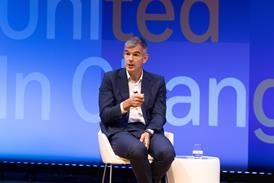
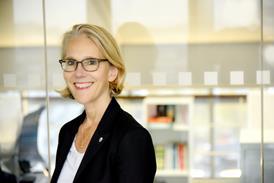









Alison Lomax joins iPlayer chief Dan McGolpin in outlining partnership strategy
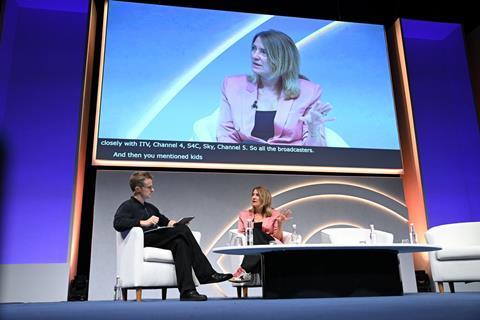
YouTube’s UK chief has admitted that its creators increasingly want to work with broadcasters, despite the Google-owned platform’s surging viewership.
YouTube beat the BBC on Barb’s monthly 3-minute reach in the UK in January, marking a first for the streamer’s fast-growing viewership.
But Alison Lomax, managing director of YouTube UK & Ireland, said broadcasters were an in demand location for most of those producing its content.
“Most creators want to work with broadcasters, they really do. These are fantastic brands and they offer a fantastic opportunity for [creators],” she said.
Lomax added that while creators have been used for years as talent on broadcasters, they are now increasingly being brought into the production process earlier.
BBC’s revised YouTube strategy
The BBC has been ramping up its partnership with YouTube over the past 18 months and earlier this week Broadcast revealed it is recruiting for a head of multi-platform commissioning to run youth-focused accounts on YouTube.

The role reports into director of iPlayer and channels Dan McGolpin, who joined Lomax on stage at the Edinburgh TV Festival and admitted the BBC was having to revise its initial approach to YouTube.
“We didn’t get everything completely right, we focused on streaming but we perhaps saw YouTube as marketing and social media. Now we have acknowledged it’s more than that, it’s a place we can create content.”
The BBC unveiled a landmark deal with the video-sharing platform in January to commission YouTube-first content for the first time, revealing channels including BBC Deepwatch, BBC Perspectives (w/t) and the Comedy Entertainment channel.
A YouTube-first documentary - Killer Couple: Love on Trial from Keo Films - was also greenlit while Strong Watch Studios and Acclaimed Content were named as the indies for its £2m Perspectives pot.
McGolpin said the BBC’s YouTube content would “not look like traditional TV” and added that he was comfortable with shows being produced that would only sit on iPlayer and the video sharing site.
“If a show builds community on YouTube but doesn’t do as well on iPlayer then that’s absolutely fine,” he said.
The corporation is also looking to produce content that was not mass appeal, McGolpin continued, with projects offering a “greater level of specificity, which can have more success with the algorithm.”
The iPlayer chief added that he wanted “to get out of the top down TV mentality” around brands and deliver a nimble strategy that allowed for testing and failure. “How we work with creators, new production companies and more traditional production companies - it’s all up for grabs.”





No comments yet