



















BBC, ITV, C4, UKTV and super-indies support principles for out-of-hours contact

Guidelines aimed at minimising out-of-hours contact in the TV industry have received backing from a host of major UK broadcasters and production heavyweights.
Action for Freelancers’ (AfF) Contact: A Guide to Work-Life Boundaries sets out seven shared principles for commissioners, production companies, managers and freelancers working across both scripted and unscripted.
In publishing the guidelines, AfF acknowledged several organisations already have contact policies, but said its principles “set a shared standard” so that “freelancers know what to expect no matter where they work”.
The advocacy group cites data from The Film and TV Charity’s 2024 Looking Glass Survey, which found 35% of the industry’s workforce rated their mental health as poor or very poor. Poor work-life balance is a major driver leading to almost two-thirds (64%) of those polled considering leaving the industry over concerns for their mental health, FTVC’s research also found.
AfF’s guidelines have been endorsed by the BBC, ITV, Channel 4, UKTV, BBC Studios, ITV Studios, Fremantle, Banijay UK, Bectu and CIISA.
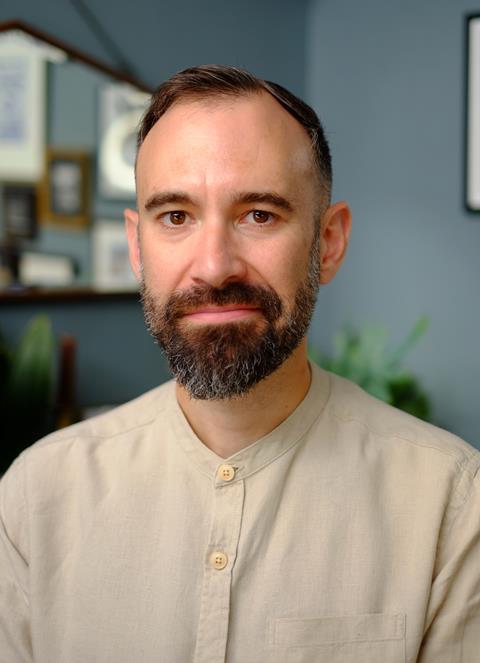
The group’s project director James Taylor-Tovey called the list of guidelines “deceptively simple”, which “could have a huge impact on setting boundaries between work and home life”.
The principles (included in full below) include requiring senior figures and leaders to set the tone, with reassurance that not responding out of hours carries no penalty throughout a production; setting contact windows; agreeing on what counts as a real emergency before production starts; and supporting flexible working.
The guidelines were developed by AfF’s working conditions working group, bringing freelancers, broadcasters and production companies together.
AfF chair Richard Watsham said: “Today’s guidelines are the first of many crucial pieces of work from an initiative fast building momentum.
“They’re a vital recognition of the balance that needs to be struck between freelancers who are desperate to do a good job and employers under pressure in a challenging environment.”
BBC chief content officer Kate Phillips said: “These practical guidelines are invaluable to everyone involved in a production. We need to respect the boundaries between work and home life, and the downtime needed by all to help ensure long term health and happiness.”
For further information on how the guidelines will work and other projects that Action for Freelancers is working on, project director James Taylor-Tovey spoke to Broadcast on the Talking TV podcast, which is available on all major platforms.
The guidelines:
- Leaders must model the behaviour - senior figures set the tone, and reassurance that not responding out of hours carries no penalty must be repeated throughout a production
- Set contact windows, rotate on-call responsibility, or time-shift - including at least 11 hours free of messages between wrap and next call, in line with Working Time Regulations
- Agree what counts as a real emergency - before production starts, and document it at induction
- Use the right channel for the right level of urgency - WhatsApp and direct messages for genuinely time-sensitive issues only
- Use delay-send, add clear labels to emails and messages - so a flexible working pattern never becomes implied urgency for the receiver
- Make it safe to raise concerns - including anonymously, in line with CIISA Standards (Open and Accountable Reporting Mechanisms)
- Support flexible working - no individual’s working pattern should ever create an obligation, spoken or unspoken, for someone else to match it






No comments yet